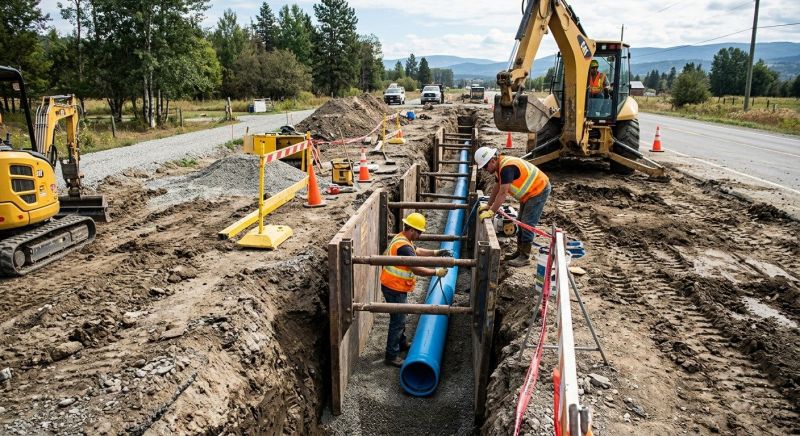
Trench Installation in Atlanta, GA
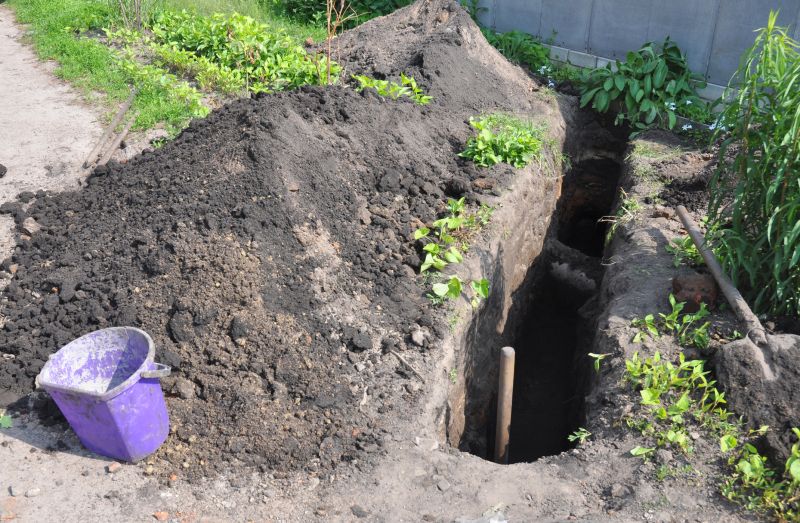
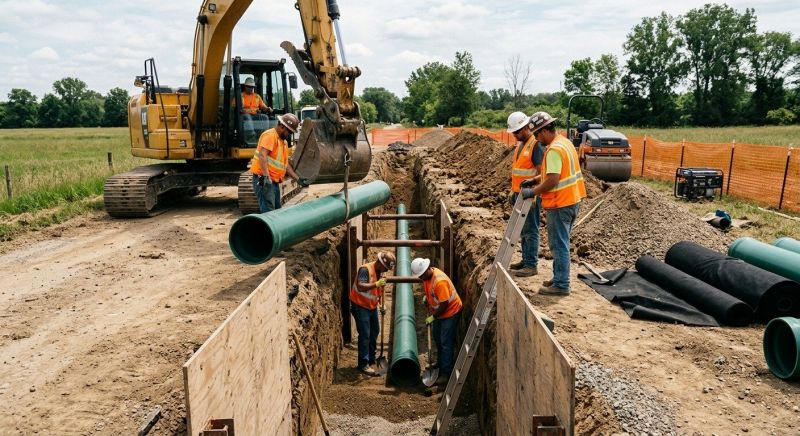
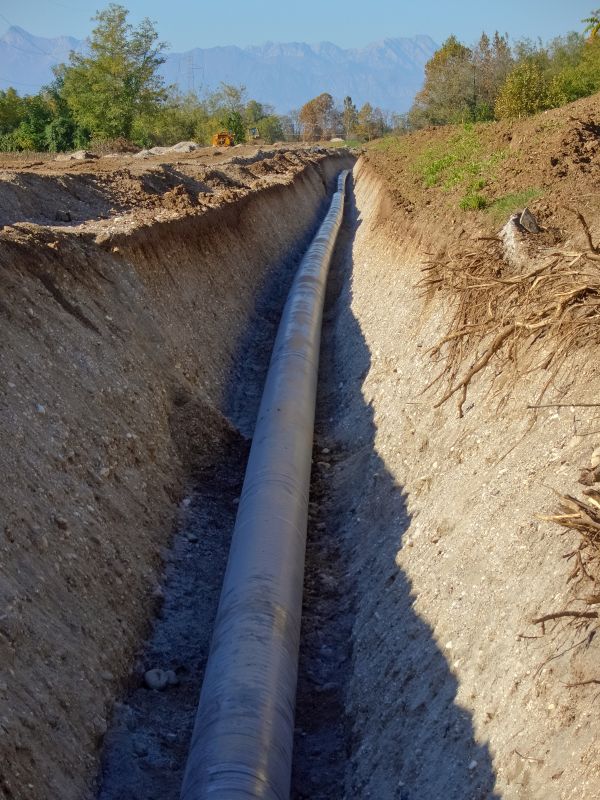
Trench installation services involve digging narrow, precise channels in the ground to accommodate various types of utility lines, drainage systems, or fencing projects. This service is commonly requested for installing electrical cables, water lines, sewer pipes, or irrigation systems, as well as for creating foundations or pathways that require underground support. Homeowners typically seek trench installation when upgrading or adding essential infrastructure to their property, ensuring that utilities are safely and neatly routed beneath the surface.
Before requesting trench installation, property owners often want to understand the scope of the project, including the depth and length of the trenches, potential disruptions to landscaping, and any necessary permits or regulations. Clarifying the purpose of the trenches and any specific site considerations can help determine the most appropriate approach for the project. Proper planning ensures that the trenches are installed efficiently and in accordance with local codes, minimizing future issues and supporting long-term property functionality.
Many property owners in Atlanta, GA look into Trench Installation for repairs, replacements, upgrades, and appearance-related improvements.
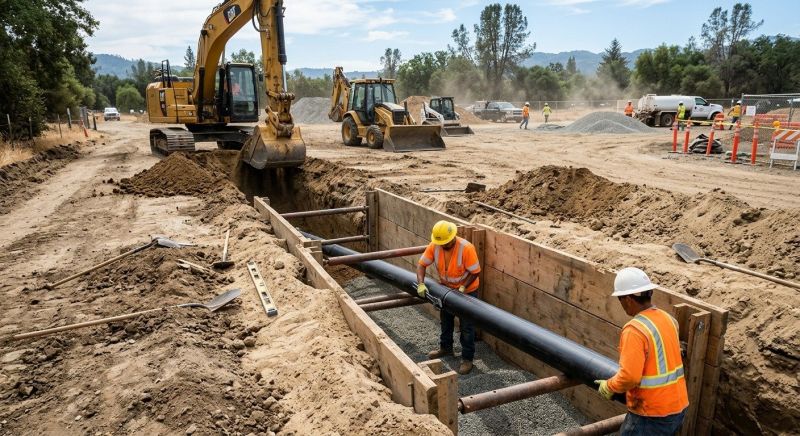
Types Of Trench Installations
Different trench methods are suited for utility lines, drainage, and landscaping projects in atlanta.
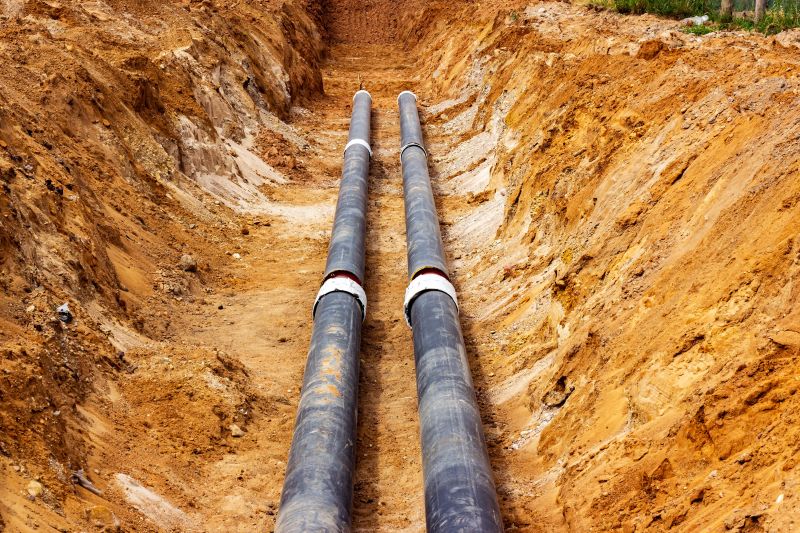
Key Considerations
Proper planning and depth are essential for effective trench installation on residential and commercial properties.
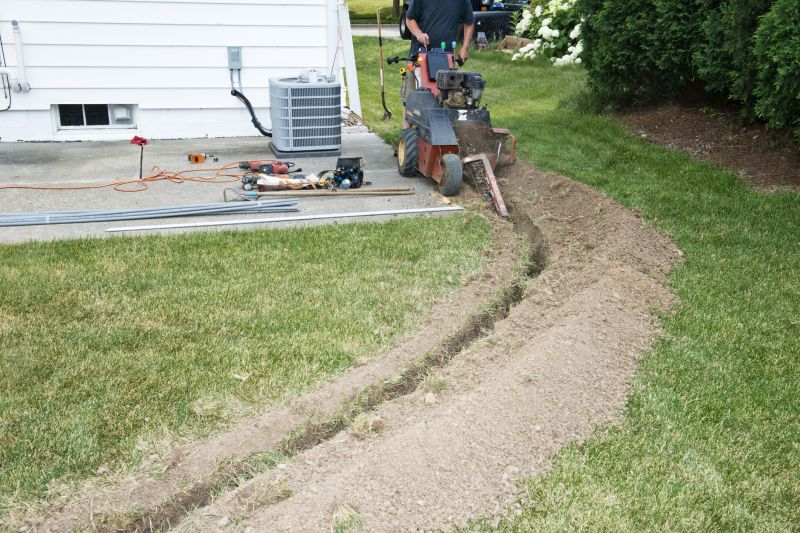
Common Applications
Trenches are often used for installing irrigation systems, electrical wiring, and sewer lines in atlanta-area homes.
Trench Installation in Atlanta, GA

Trench installation services involve digging narrow, precise channels in the ground to accommodate various types of utility lines, drainage systems, or fencing projects. This service is commonly requested for installing electrical cables, water lines, sewer pipes, or irrigation systems, as well as for creating foundations or pathways that require underground support. Homeowners typically seek trench installation when upgrading or adding essential infrastructure to their property, ensuring that utilities are safely and neatly routed beneath the surface.
Before requesting trench installation, property owners often want to understand the scope of the project, including the depth and length of the trenches, potential disruptions to landscaping, and any necessary permits or regulations. Clarifying the purpose of the trenches and any specific site considerations can help determine the most appropriate approach for the project. Proper planning ensures that the trenches are installed efficiently and in accordance with local codes, minimizing future issues and supporting long-term property functionality.
Many property owners in Atlanta, GA look into Trench Installation for repairs, replacements, upgrades, and appearance-related improvements.
Common Trench Installation Jobs
Drainage Trench Installation - creates effective channels to direct water away from foundations and landscaping.
Foundation Drainage Trench - helps prevent water buildup around basements and crawl spaces.
French Drain Systems - installed to manage surface and groundwater flow across the property.
Perimeter Trench Work - provides a barrier to control soil erosion and water intrusion.
Drainage Channel Installation - improves yard drainage and reduces pooling during heavy rains.
Custom Trench Solutions - designed to fit specific landscape and property drainage needs.
Trench Installation Questions
What types of projects require trench installation? Trench installation is commonly used for installing underground utilities, drainage systems, irrigation lines, and cable or pipe runs across properties.
What should property owners consider before trench installation? It's important to identify existing underground utilities, plan for proper grading, and obtain any necessary permits before starting trench work.
How deep are trenches typically dug? Trenches are usually excavated to accommodate the specific utility or drainage requirements, often ranging from a few inches to several feet deep.
What materials are used for trench backfill? Backfill materials typically include soil, gravel, or specialized fill to ensure stability and proper drainage after installation.
Request Trench Installation in Atlanta, GA
Use the quote form on this page to share the basics of your project and request more information for the type of work you need.